

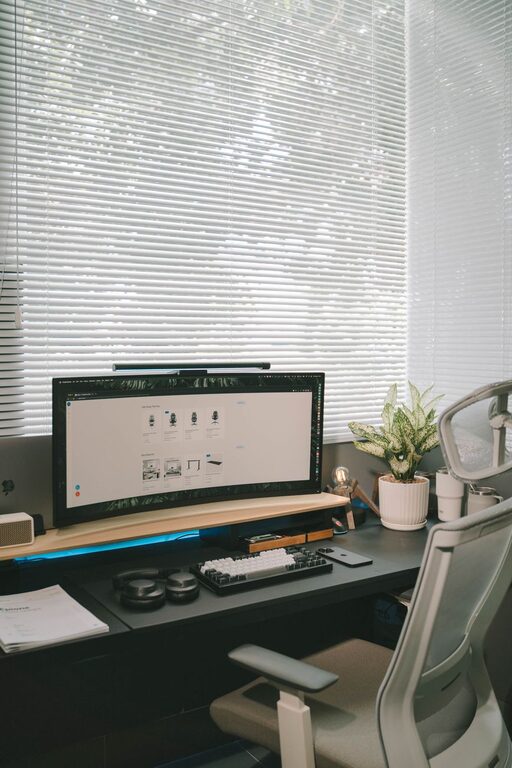
Creating a productive home office environment is key to working efficiently and maintaining a healthy work-life balance. Whether you are new to working from home or looking to improve your current setup, small changes can make a big difference. This guide offers practical tips to help you design a space that supports concentration, comfort, and creativity.
Choose the Right Location
Selecting the right spot for your home office is the first step toward productivity. Ideally, this area should be:
– Quiet and away from heavy foot traffic
– Well-lit with natural light
– Spacious enough to accommodate your needs
If space is limited, consider using a corner of a room or a nook with minimal distractions. Having a dedicated workspace can help you mentally separate work from relaxation.
Invest in Ergonomic Furniture
Comfort plays a huge role in how productive you feel during the day. Consider investing in:
– An ergonomic chair: Supports your back and promotes good posture.
– A desk at the right height: Ensures your arms rest comfortably while typing.
Adjust your chair and desk so your feet are flat on the floor and your wrists remain neutral. This reduces strain and fatigue, allowing for longer periods of focused work.
Optimize Lighting
Proper lighting reduces eye strain and keeps you alert. Natural light is best, so position your desk near a window if possible. When natural light is insufficient:
– Use a combination of ambient and task lighting
– Choose bulbs with a soft white color temperature for a cozy atmosphere
– Avoid harsh overhead lights that create glare on screens
Consider adjustable lamps that allow you to direct light exactly where you need it.
Declutter and Organize
A clean, organized space keeps your mind clear. Tips for maintaining tidiness include:
– Keep only essential items on your desk
– Use storage boxes or drawers for supplies
– Regularly tidy up at the end of each day
Consider labeling files and containers for quick access. Digital organization also matters — use folders and cloud storage to keep your computer desktop clear.
Minimize Distractions
Eliminating or reducing interruptions helps you stay focused. Some strategies are:
– Set boundaries with family or housemates during working hours
– Use noise-canceling headphones or play ambient sounds to mask background noise
– Turn off non-essential notifications on your phone and computer
Creating a routine and informing others about your work schedule can also help manage expectations.
Personalize Your Space
Adding personal touches makes your office more inviting and motivating. Examples include:
– Plants that purify air and add greenery
– Artwork or inspirational quotes
– A comfortable rug or cushions
While personalization helps, avoid overdecorating to ensure the space remains functional and distraction-free.
Set Up Tech Efficiently
Your technology setup can either streamline or slow your workflow. To optimize it:
– Use a reliable internet connection and backup options if possible
– Arrange monitors at eye level to avoid neck strain
– Organize cables with clips or sleeves to prevent tangling
Regularly update software and back up important files to avoid disruptions.
Create a Daily Routine
Even in a home office, structure helps maintain productivity. Consider:
– Starting your day at the same time
– Taking scheduled breaks to stretch or refresh
– Ending your workday by shutting down and tidying your space
Routines help signal the brain when it’s time to focus and when to relax.
Incorporate Breaks and Movement
Sitting for long periods can impact health and concentration. Make time to:
– Stand or walk during calls when possible
– Stretch every hour
– Use a timer to remind yourself to move
Movement boosts circulation and mental clarity, improving overall work performance.
Maintain Work-Life Balance
Separating work from personal time is a challenge with a home office. Tips to achieve balance include:
– Avoid working from bed or other relaxation areas
– Have a clear start and stop time for your workday
– Use your workspace only for work-related tasks
This helps your brain associate the home office with productivity and other spaces with rest.
Final Thoughts
Designing a productive home office environment is about blending comfort, organization, and focus. With the right setup and habits, you can create a space that helps you work efficiently and enjoyably every day. Start small by adjusting one or two elements, and gradually build an office that meets your unique needs. Your productivity—and well-being—will thank you.